




If you’ve bought land in Lombok or you’re about to, the permit question comes up fast. What do you actually need? In what order? How long does it take? And what happens if something goes wrong?
This guide answers all of that. No fluff, no false reassurance. Just a clear breakdown of how building permits in Lombok today, what’s changed in recent years, and what to watch out for.
The IMB is gone. You need a PBG.
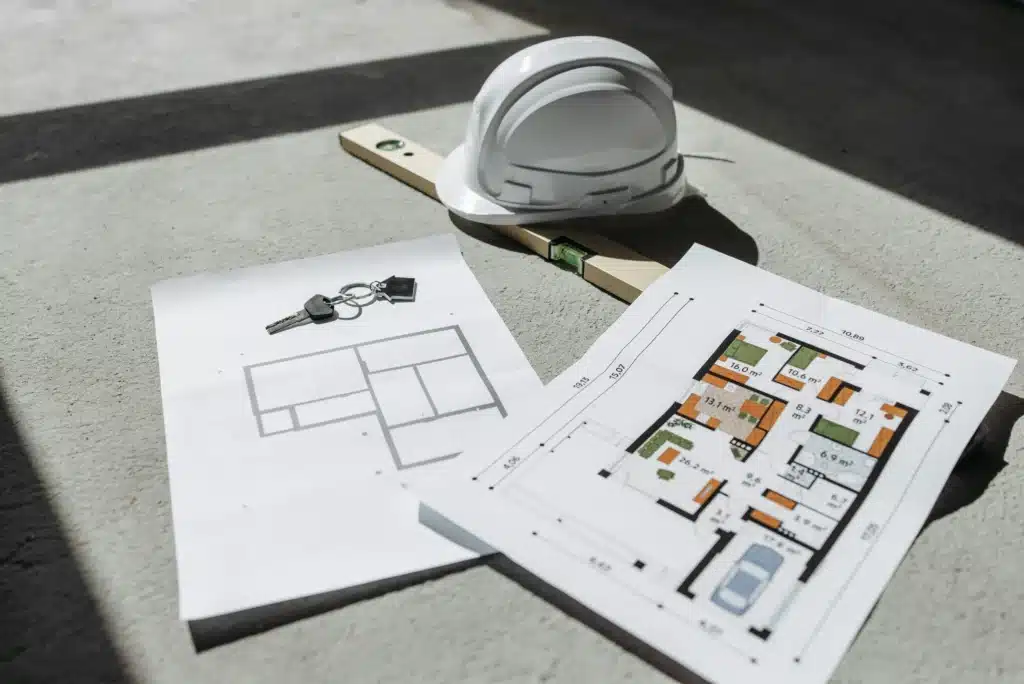
The first thing to know about building permits in Lombok: Indonesia replaced the old building permit system in 2021. The IMB (Izin Mendirikan Bangunan) no longer exists for new construction. It’s been replaced by the PBG — Persetujuan Bangunan Gedung, or Building Approval.
This isn’t just a name change. The philosophy shifted. The IMB was a permit you obtained before breaking ground. The PBG is an approval confirming that your building plans fully comply with technical standards architectural, structural, mechanical, electrical, and plumbing before construction begins. It’s more rigorous, more standards-based, and applied consistently across Indonesia through a centralized digital system called SIMBG (simbg.pu.go.id).
If someone is still calling it an IMB, they haven’t updated their terminology. The legal requirement is the PBG.
Existing properties with valid IMBs remain legally recognized. But anything built from scratch today requires a PBG.
Before you even think about permits: zoning.
The most expensive mistake investors make in Lombok isn’t skipping a permit. It’s buying land in the wrong zone.
Lombok’s land is classified under RTRW — Rencana Tata Ruang Wilayah, the regional spatial plan. Every plot sits in a designated zone: residential, commercial, tourism, agricultural, or conservation. What you can build and whether you can build at all depends entirely on that classification.
The zones that matter most for most investors in South Lombok:
- Tourism zones (W1, W2): Allow hospitality development villas, boutique hotels, resorts. Building height is typically capped at 12 meters in these zones. This is where most of our listings sit.
- Residential zones: Housing and private villas. Generally no commercial operations without additional licensing.
- Agricultural zones: For farming. Converting to another use requires a complex reclassification process and isn’t guaranteed.
- Conservation/green zones: No permanent structures permitted. Full stop.
A plot in Selong Belanak or Are Guling with a view and reasonable access sounds great. But if it’s zoned agricultural, you cannot legally build a rental villa on it without going through a reclassification process that’s slow, uncertain, and sometimes impossible.
Always verify zoning before signing anything. Consult the Dinas Tata Ruang (Office of Spatial Planning) or your local DPMPTSP office not just the seller or their agent.
At Nour Estates, zoning verification is the first thing we check on every listing. Not an afterthought.
The two permits you need to build and operate
Once zoning is confirmed, there are two core documents that govern construction and use:
1. PBG, Persetujuan Bangunan Gedung (Building Approval)
This is your construction green light. You need it before one shovel goes in the ground.
To get a PBG, your building plans must be prepared by a licensed architect and include full structural, electrical, and plumbing specifications. You submit everything through the SIMBG portal. A Professional Expert Team (TPA) reviews your plans across architecture, structure, and MEP. If revisions are needed, you go back and update. Once approved, you receive your SKRD (regional fee determination letter), pay the local retribution fee, and the PBG is issued.
Timeline in Lombok: variable. In practice, plan for several months, not weeks. Complexity, completeness of documentation, and local office workload all affect this. Start the process early.
2. SLF, Sertifikat Laik Fungsi (Occupancy Certificate)
The SLF is issued after construction is complete. It certifies that your finished building meets all safety and functional standards essentially the government’s confirmation that what you built matches what was approved.
You cannot legally occupy or operate a building without an SLF. For rental villas and commercial properties, the SLF is also a prerequisite for other operating licenses (including the Pondok Wisata or TDUP required for short-term rentals).
Don’t treat the SLF as a formality. It’s what makes your finished asset legally operational.
Additional permits if you’re operating commercially
If you’re building to rent, which most investors in South Lombok are. The PBG and SLF are the foundation, not the complete picture.
- For short-term villa rentals: You’ll need either a Pondok Wisata (homestay license, simpler to obtain) or a TDUP (Tanda Daftar Usaha Pariwisata — tourism business license for larger or fully commercial operations). Foreign investors operating through a PT PMA typically go the TDUP route.
- For your company structure: Foreigners cannot hold a PBG or commercial licenses in their own name. You need either a PT PMA (foreign-owned company) with HGB title (Hak Guna Bangunan — right to build and use commercially) or a properly structured leasehold arrangement. The HGB held by a PT PMA is the most legally robust structure for investment-grade development in Lombok.
- For larger projects: Projects above a certain scale or in sensitive areas may require an environmental impact assessment (AMDAL or UKL-UPL) before permits are issued.
What goes wrong and why?
Building permit problems in Lombok are common. Here’s where investors consistently run into trouble:
- Buying before checking zoning. The land looks buildable. The seller says it’s fine. But the RTRW says agricultural. Now you own land you can’t develop, or you’re stuck in a reclassification process with no guaranteed outcome.
- Unpaid seller taxes blocking permits. PBG applications require clean tax records on the land. If the previous owner has outstanding PBB (land and building tax), the permit process can stall until it’s resolved. This should be caught in due diligence before purchase.
- Building before permits are issued. It happens. Contractors push to start. The permit ‘is in process.’ Then construction stops, fines arrive, or worse demolition orders. Over 40 villas in Bingin were demolished in 2024 for permit and zoning violations. Lombok is not immune to enforcement.
- Documents that don’t match. Plans submitted for the PBG need to accurately reflect what gets built. If the finished structure differs materially from the approved plans, the SLF won’t be issued and you can’t operate legally.
- Relying on verbal assurances. Local agents, sellers, even contractors will sometimes say ‘don’t worry, this is how it’s done here.’ Always get permit status verified through official channels DPMPTSP or the Public Works Department not through a third party’s word.
A practical timeline to plan around
Building legally in Lombok takes time. Here’s a realistic picture:
- Zoning verification and due diligence: 2–4 weeks minimum
- Architectural and engineering plans prepared: 4–8 weeks depending on design complexity
- PBG application submitted and approved: 2–6 months
- Construction (villa, standard size): 12–18 months
- SLF application and inspection post-construction: 4–8 weeks
- Operating licenses (Pondok Wisata/TDUP): 2–4 months, running parallel to SLF process
Total from land acquisition to legal operation: realistically 18–24 months for a well-run project. Less if permits move quickly, more if complications arise.
Plan around the dry season (May–September) for foundational and structural work. The rainy season (October–April) slows outdoor construction and can add months to a timeline if it’s not planned for.
What to check before you buy
If you’re still pre-purchase, here’s the short version of what matters:
- Is the land zoned for your intended use? Verify with Dinas Tata Ruang or DPMPTSP, not the seller.
- Are the seller’s taxes paid up to date? Unpaid PBB can block permits.
- Is there an existing PBG or valid IMB on any structure already on the land?
- Does the land have road access confirmed in writing? Not just physical access, but legal road access.
- Is there water supply (PDAM connection or confirmed well feasibility)?
- Is the land title clean? no overlapping claims, inheritance disputes, or deceased-name certificates?
If you’re working with a good advisor, these questions are answered before you’re anywhere near a signing table.
The bottom line
Building in Lombok is genuinely viable for foreign investors. The legal frameworks exist, the permit system is digital and increasingly standardized, and South Lombok’s tourism zones provide real development opportunity for villas and commercial projects.
But it requires doing things in the right order. Zoning before purchase. PBG before construction. SLF before operation. Company structure aligned with what you’re building and why.
At Nour Estates, we work closely with legal liaisons and civil engineers throughout the projects we support, not because we manage construction, but because our buyers deserve to know what they’re walking into before they commit. The permit landscape is part of what we cover in every conversation.
Have a plot in mind or a project in early stages? Get in touch and we’ll walk through what applies to your situation specifically.
About Nour Estates
We started Nour Estates with a simple idea: to make finding your dream property in Indonesia as easy and enjoyable as a day at the beach. Our team is a mix of local folks and people from around the world who fell in love with Indonesia just like you. We’ve been in your shoes, faced the challenges of buying land here, and learned all the ins and outs. Now, we’re here to share that knowledge with you.
We are here to find you the perfect land to invest in. Contact us today, and let’s start this exciting journey together!