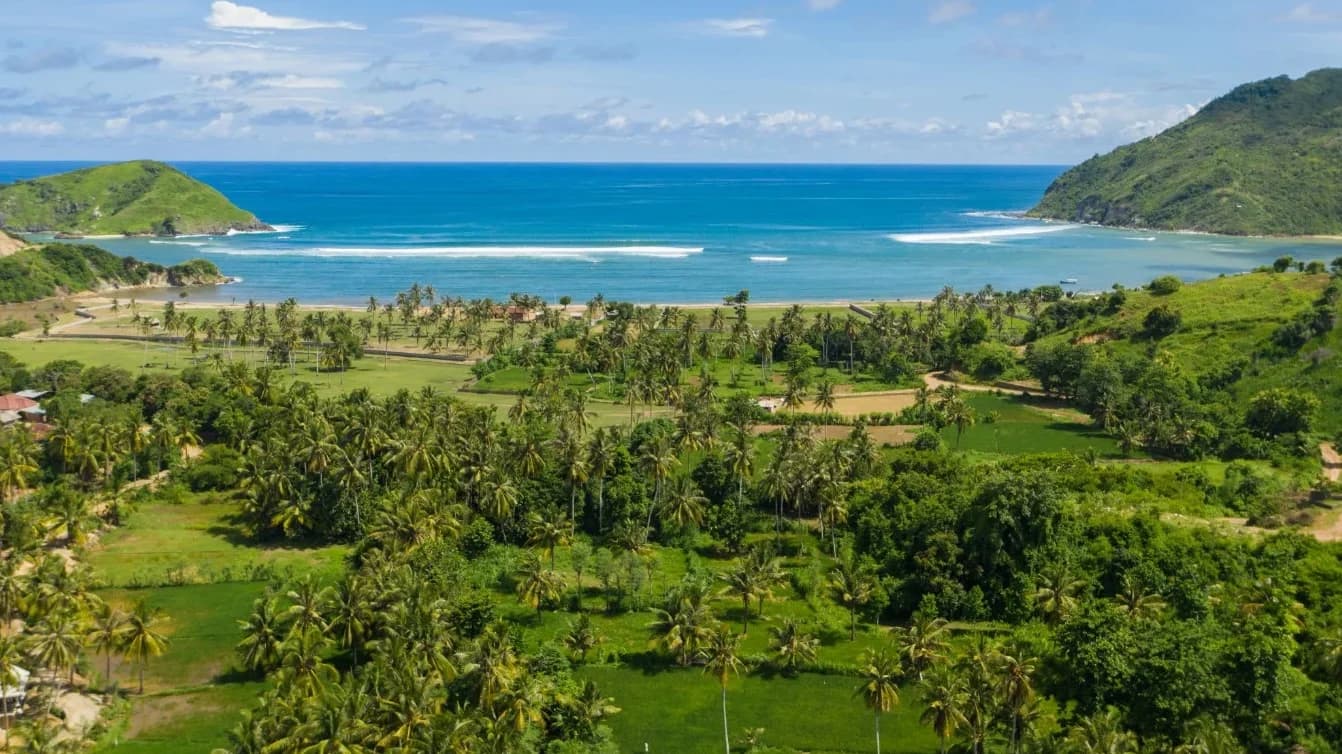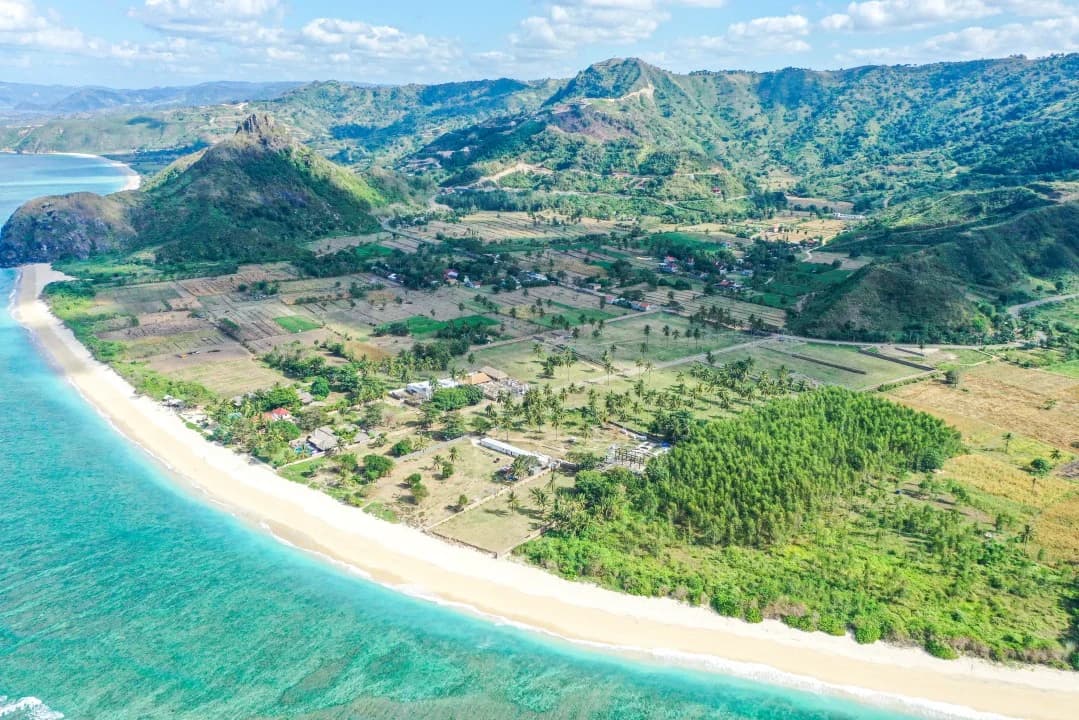





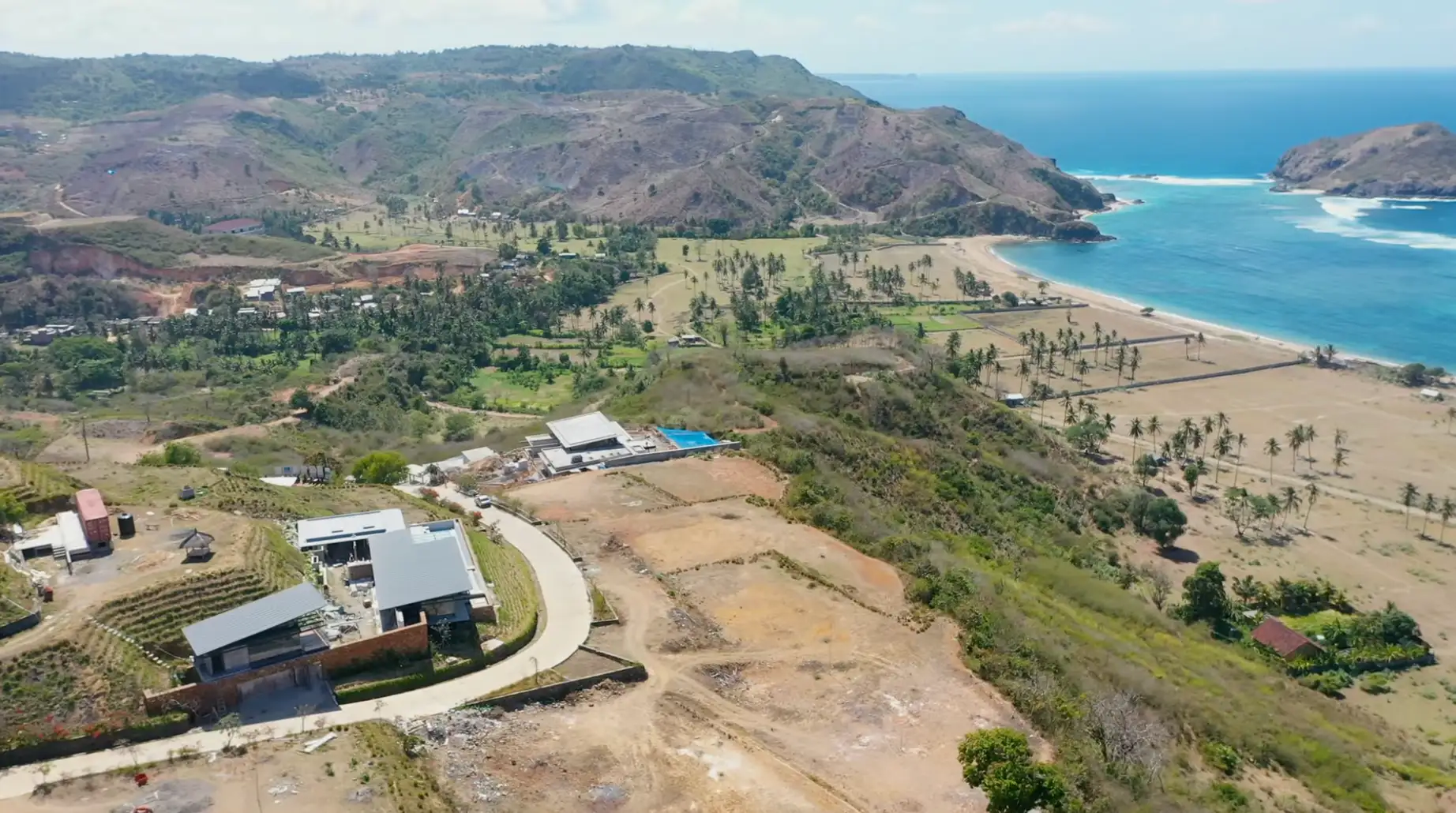
Investing in Lombok can be a great move — whether you’re looking at land, a finished villa, or something in between. But the Lombok property buying process works differently than in many other countries, and skipping steps often leads to problems later.
This guide walks you through how property purchases actually happen in Lombok, from the first search to final handover — for both land and villas.
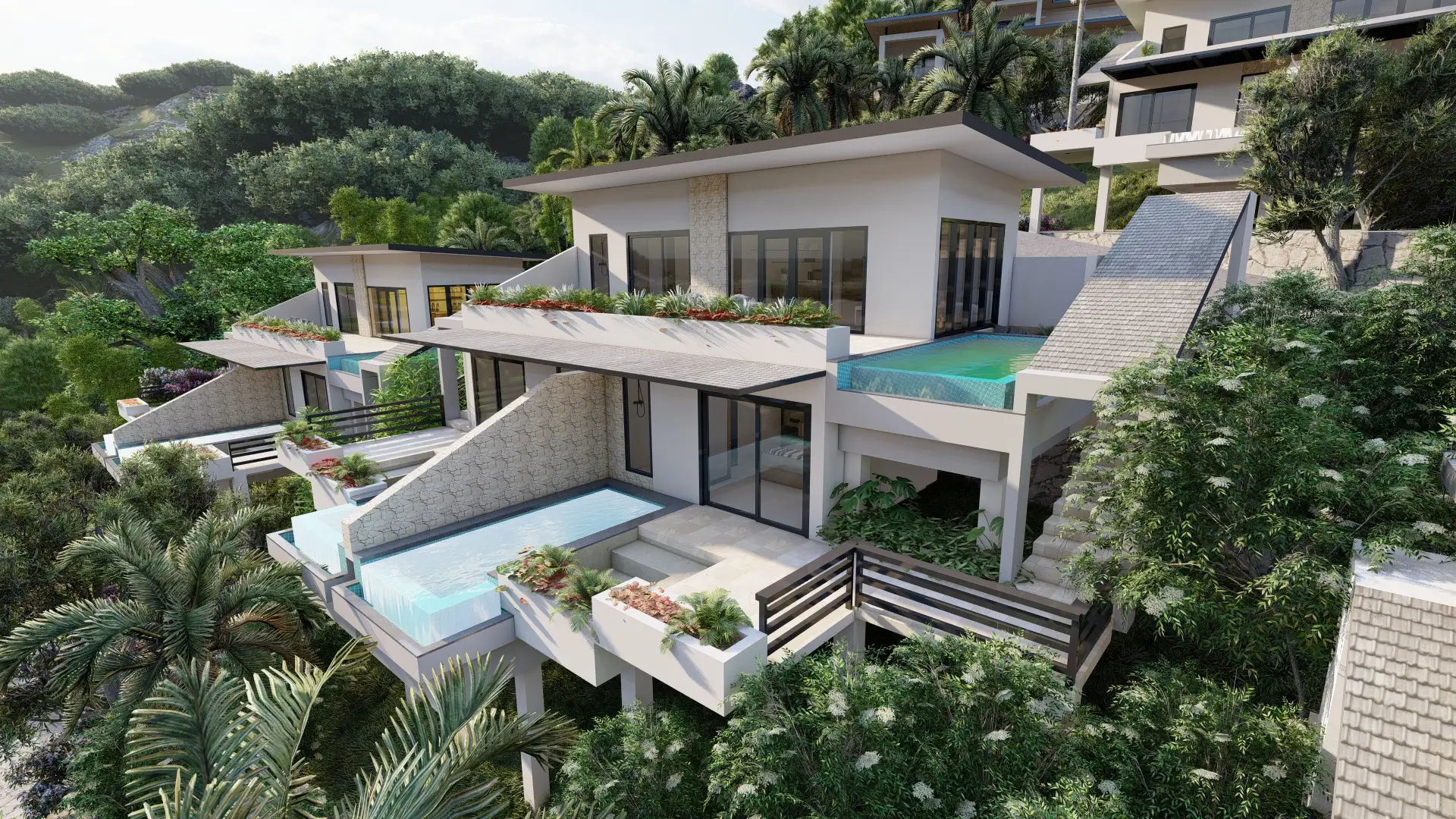
Step 1: Be Clear on What You’re Buying (Land or Villa)
The Lombok property buying process starts the same, but the risks are different.
- Land buyers need to think about zoning, access, slope, utilities, and future surroundings.
- Villa buyers also need to check permits, build quality, operating history, and compliance.
Being clear early on helps you avoid looking at the wrong type of property altogether.
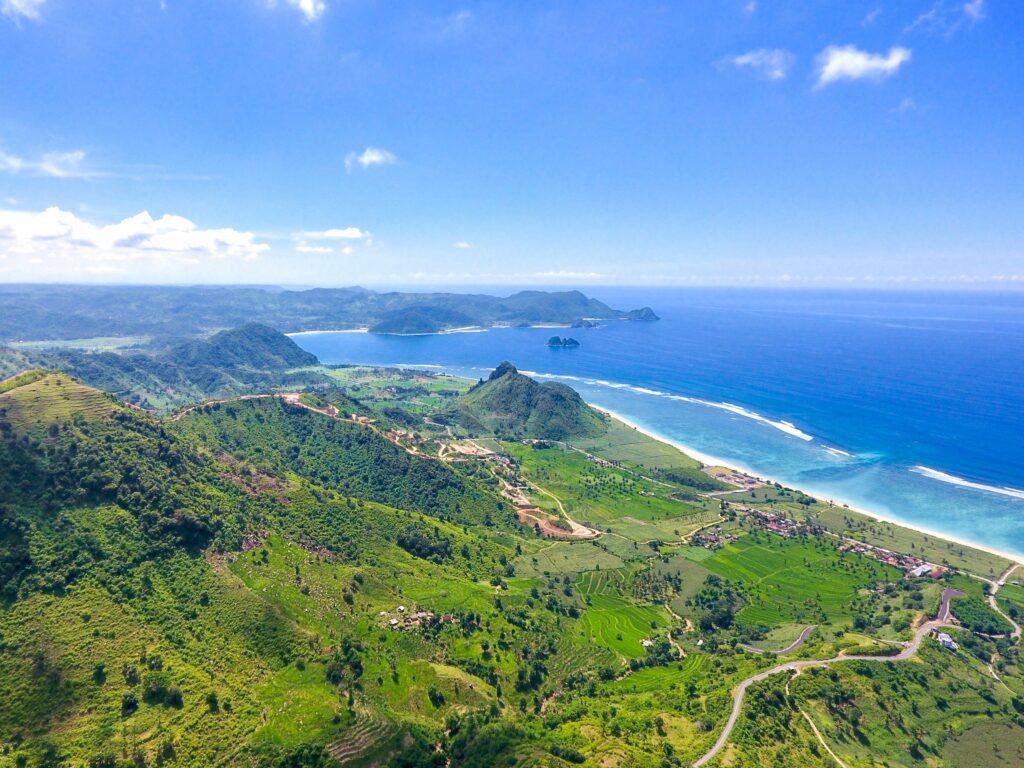
Step 2: Choose the Right Area — Not Just a “Popular” One
Not all areas serve the same purpose.
Some are better for:
- Rental demand and walkability
- Long-term land appreciation
- Quiet lifestyle or privacy
- Development projects
What matters is how the area actually functions day to day, not how it looks online. Two plots with the same view can have very different value depending on access, zoning, and what’s planned nearby.
Step 3: Confirm the Ownership Structure Before You Commit
Foreign buyers cannot own freehold land in Indonesia, but there are legal alternatives such as:
This decision affects:
- How long you can hold the property
- Whether you can rent or sell easily
- Your long-term flexibility
It should be confirmed before any deposit is paid.
Step 4: Shortlist Properties and Eliminate what doesn’t work for you
At this stage of the Lombok property buying process, the goal is not to fall in love.
It’s to rule things out.
Key checks apply to both land and villas:
- Legal road access
- Zoning compliance
- Utilities (water, electricity)
- Land shape and slope
- Neighbouring developments
Many buyers make better decisions by removing unsuitable options early.
Step 5: Conduct Due Diligence
This is where many problems are avoided — or created.
Due diligence typically includes:
- Verifying the land title
- Checking zoning and spatial plans
- Confirming access rights
- Reviewing permits (PBG for villas)
- Reviewing lease or ownership terms
This step is essential for both land and villas, even if the property looks “ready”.
Step 6: Make an Offer and Sign a Preliminary Agreement
Once checks are clear:
- Price and terms are agreed
- A preliminary agreement (booking agreement or PPJB) is signed
- A deposit is paid
Everything agreed verbally should be reflected clearly in writing. This is not a step to rush.
Step 7: Final Signing at the Notary
The official transaction takes place at a licensed PPAT (notary).
This includes:
- Signing the transfer or lease deed
- Settling buyer taxes and fees
- Registering the transaction
The notary handles registration, but they do not replace independent legal advice.
Step 8: Pay Buyer Taxes and Fees
Typical buyer-side costs include:
- BPHTB (buyer transfer tax): 5%
- VAT (11%) on new or off-plan villas only
- Notary and registration fees
- Legal and due diligence costs
Always confirm whether prices are inclusive or exclusive of these fees.
Step 9: Handover and Post-Purchase Setup
After completion, you may need to:
- Transfer utilities
- Register lease or company structure
- Apply for permits (if building)
- Set up management or rentals
This part is often underestimated, but it’s key to smooth ownership.
Final Thought
Buying property in Lombok isn’t complicated — but it does require structure, patience, and local understanding.
Whether you’re buying land or a villa, the strongest outcomes come from:
- Knowing what you’re buying
- Understanding the trade-offs
- Taking the process step by step
That’s exactly how we guide buyers every day at Nour Estates.
Nour Estates
Your local guide to Lombok real estate
www.nourestates.com | hello@nourestates.com
Follow us on Instagram @nour.estates for latest updates!